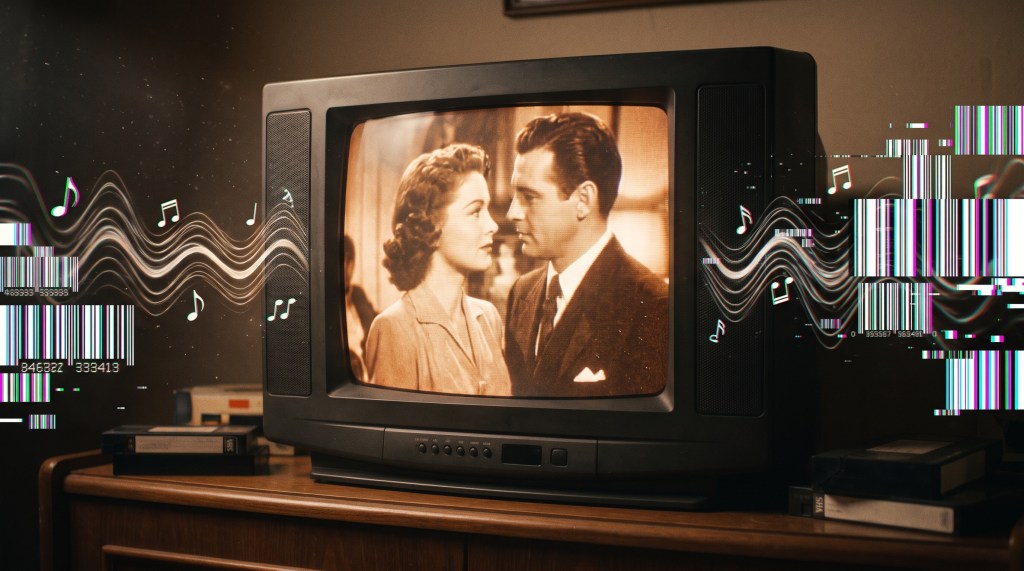
Have you recently watched any famous TV shows from the 1980s or 1990s again on a streaming service and felt like something wasn’t quite right? Do you remember the theme song, or have you noticed that the music has changed? It may appear to be a classic Mandela Effect at first, but you’re not dreaming; the show did change.
I recently rewatched Charmed (1998) to identify songs with the Shazam App and create a nostalgic playlist. I was confused right away, though, because in the beginning of the seasons, songs from 2004, 2005, or even 2010 were playing. How could a late 90s show feature music from those years?
To put it simply, when most classic TV shows moved to streaming platforms, their original theme songs and soundtracks were completely replaced.
Beyond Simple Background Music
For TV viewers, soundtracks are much more than just background noise; they help them feel connected to the story and are an important part of the experience. Music supervisors carefully selected each song for original broadcasts to make sure it complemented the plot, even inciting fierce creative competition between shows to make an impact on viewers.
For this reason, when a streaming service gets rid of the original songs, it’s not just changing the sound; it’s abusing its creative power in a way that takes away from the work’s soul and changes fans’ cultural memories.
Why does this happen? The justification combines chilly economics with legal bureaucracy:
- Temporary licenses: In the old days, production companies bought music rights for short periods of time (usually 5 to 6 years) or only for original network broadcasting and physical home media formats.
- Prohibitive Streaming Costs: Exorbitant retroactive fees are necessary to obtain worldwide, perpetual rights for digital platforms.
The Lost Sound of a Generation
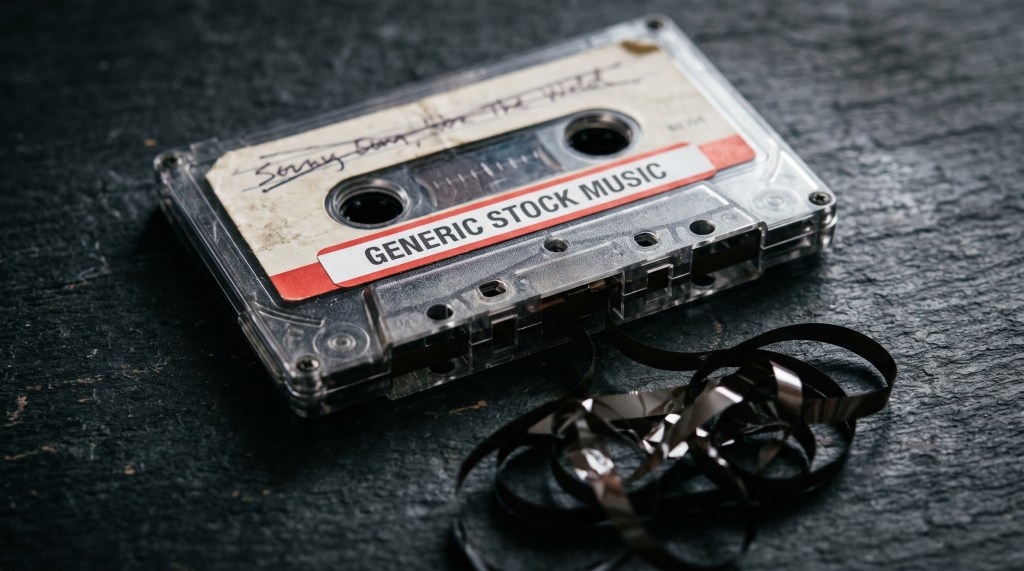
Because these costs are too high to keep up, networks replace famous songs with generic, one-time-fee stock music or songs whose rights have expired. This is a good way for companies to get around the problem, but it takes away from the original rhythm of TV and hurts fans’ feelings of nostalgia and affect.
Changing a show’s soundtrack ultimately changes the essence of the work, not just a small copyright adjustment. Platforms provide us with an out-of-tune echo of our own past when they replace those era-defining songs. Streaming may bring back memories of our childhood, but it also deprives us of their original soundtrack, leaving us to hear the reminiscence of a rhythm that will never sound the same.



Deja una respuesta