By Fernando Castillo*
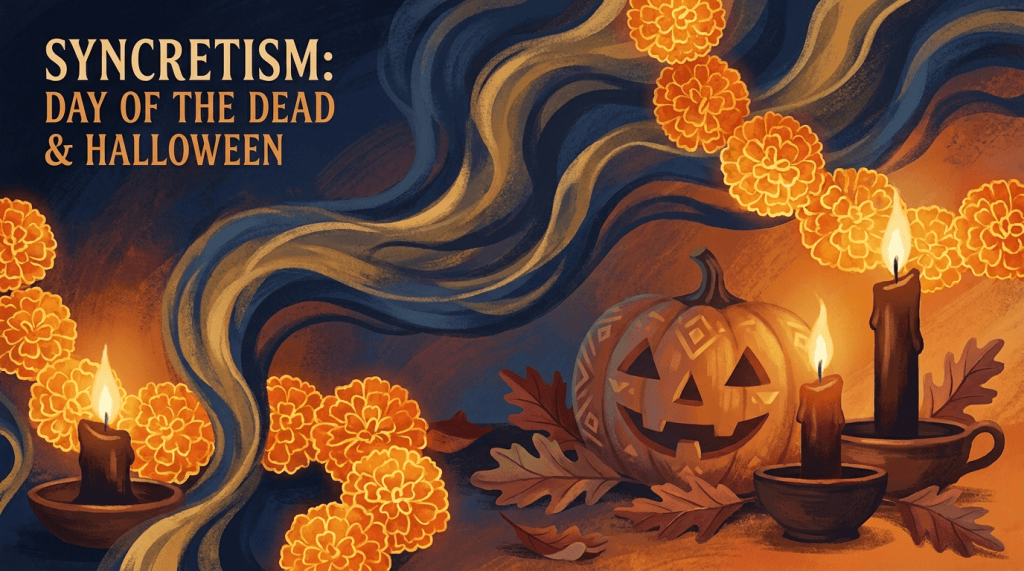
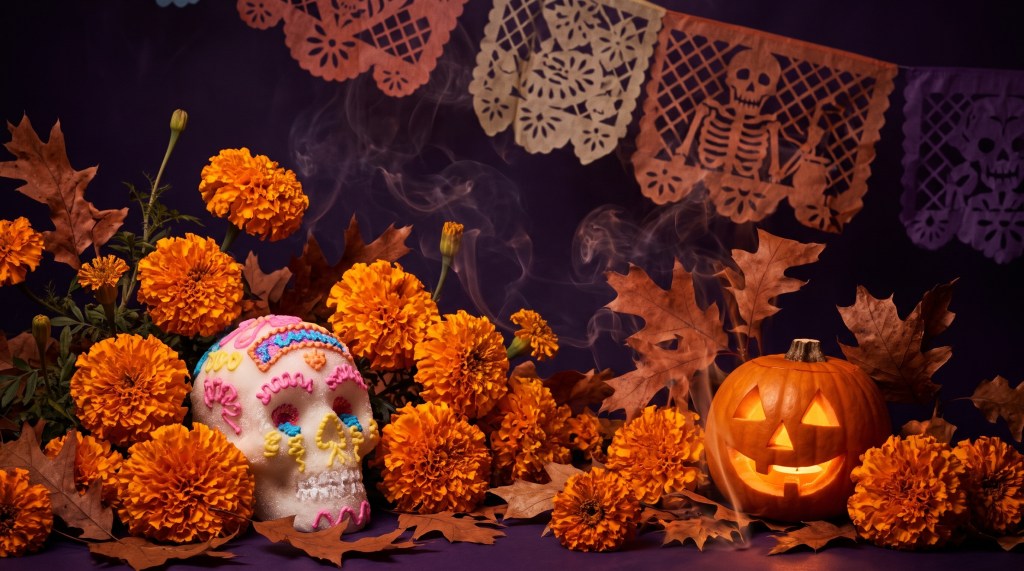
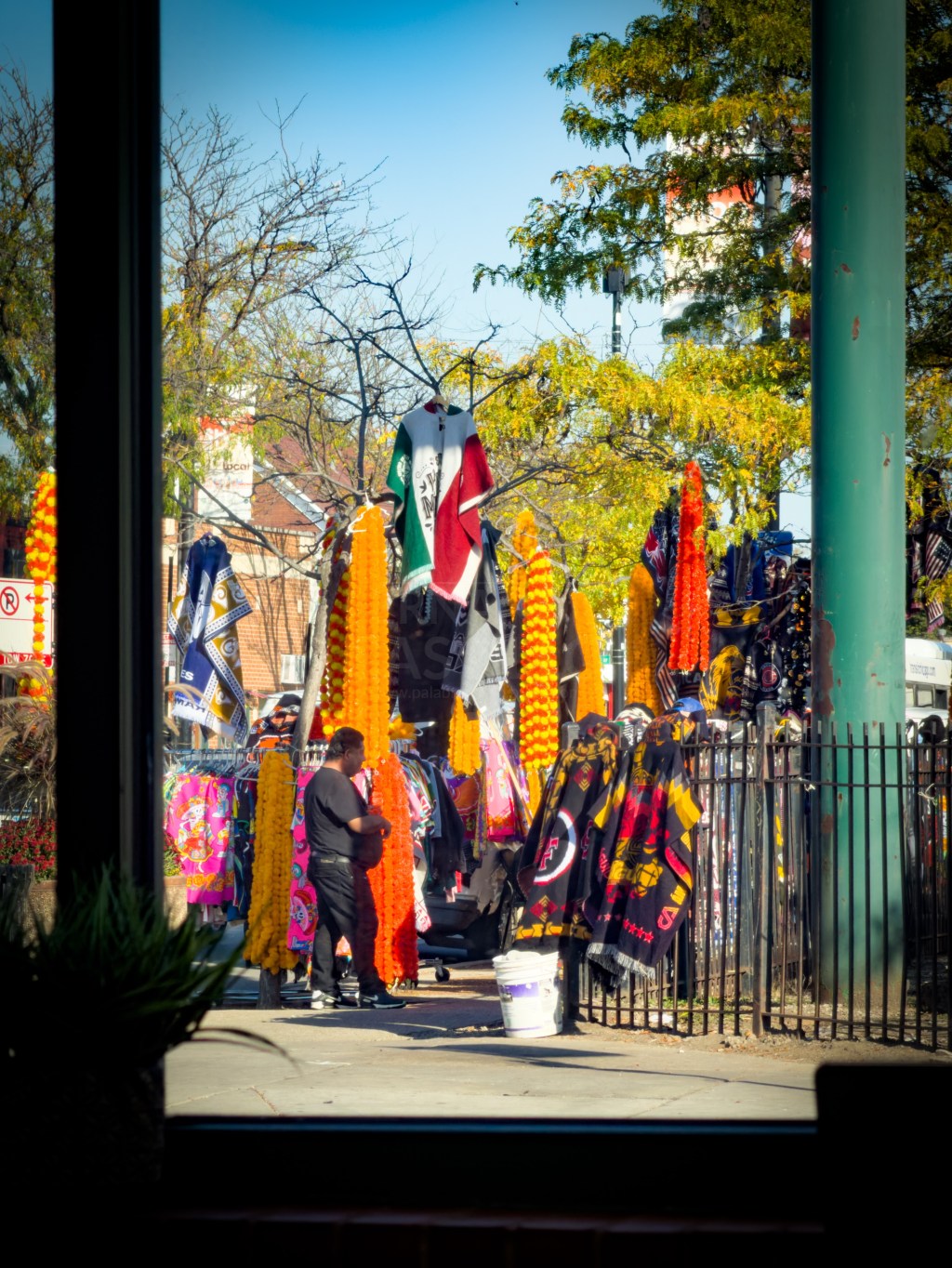
As the streets begin to blend with the vibrant orange of marigolds and the colors of plastic Halloween pumpkins, the same perpetual debate resurfaces each year. People who say they protect national traditions get angry and say that Halloween is a commercial threat to Mexico’s faith and an invasion of pagan practices.
In this contentious debate, it is frequently overlooked that Halloween and the Day of the Dead are both cultural phenomena that originate from the same matrix: syncretism, that intriguing blending of worldviews and religions that history has woven over centuries.
And if you, dear reader, are not ready to question how pure our traditions are thought to be, you might want to stop reading now.
From Samhain in Celtic times to the Queen of Mictlán
Comparing the two holidays helps us better understand the times we live in today. Samhain, an old Celtic holiday held in Ireland, Scotland, and northern France from October 31 to November 1, marked the end of the harvest and the start of winter. It is where Halloween comes from.
According to the Celts, that night the line between the physical world and the spiritual world opened up. They lit bonfires, left food offerings, and wore masks made of animal skins to guide spirits or ward off evil entities. While Christianity spread across Europe, the Catholic Church didn’t get rid of the tradition. Instead, it incorporated it by declaring November 1 as All Saints’ Day and the night before as All Hallows’ Eve, which is where the word «Halloween» comes from.
Similar to the Day of the Dead in Mexico, its origins can be traced back to pre-Hispanic civilizations. The Maya and the Mexica celebrated their ancestors by honoring Mictecacíhuatl, who was the Lady of Death and Queen of Mictlán. Originally, they conducted their rituals for a full month in the ninth month of the Mexica solar calendar, which is approximately early August.
After the Spanish conquest, the Catholic Church repositioned these Indigenous ceremonies within the liturgical calendar to align with November 1 and 2 (All Saints’ Day and All Souls’ Day).
Rituals like burning copal incense, putting food on altars for the deceased, or creating pathways of marigold (cempasúchil) flowers to guide spirits would all be instantly categorized as pagan practices if we were to examine this from a strict European canonical standpoint. However, the way these elements were seamlessly and irrevocably woven into the religious experience and national identity of contemporary Mexico is undoubtedly what gives our tradition its cultural power.
The Trap of Cultural Purity
The same thing happens with modern Halloween: it has roots in pre-Christian Celtic traditions, but its history, name, and date all became tied to Western Christianity.
It would therefore be far more beneficial to consider our own intolerance rather than becoming mired in ludicrous debates over the «purity» of a ritual or denouncing someone else’s celebration out of dogma.
We struggle to reconcile the fact that our most sacred holidays are not entirely indigenous or impeccably preserved but rather the result of a protracted fusion of cultures.
These dates are essential because they show how people have turned the ancient fear of darkness and death into a celebration of the lives of those who have died.
Not only are the altar for the dead and All Hallows’ Eve remnants of a different time, but they are also living proof of how the memories of the dead can live on among the living.



Deja una respuesta